
Why nostalgia for the past really matters now
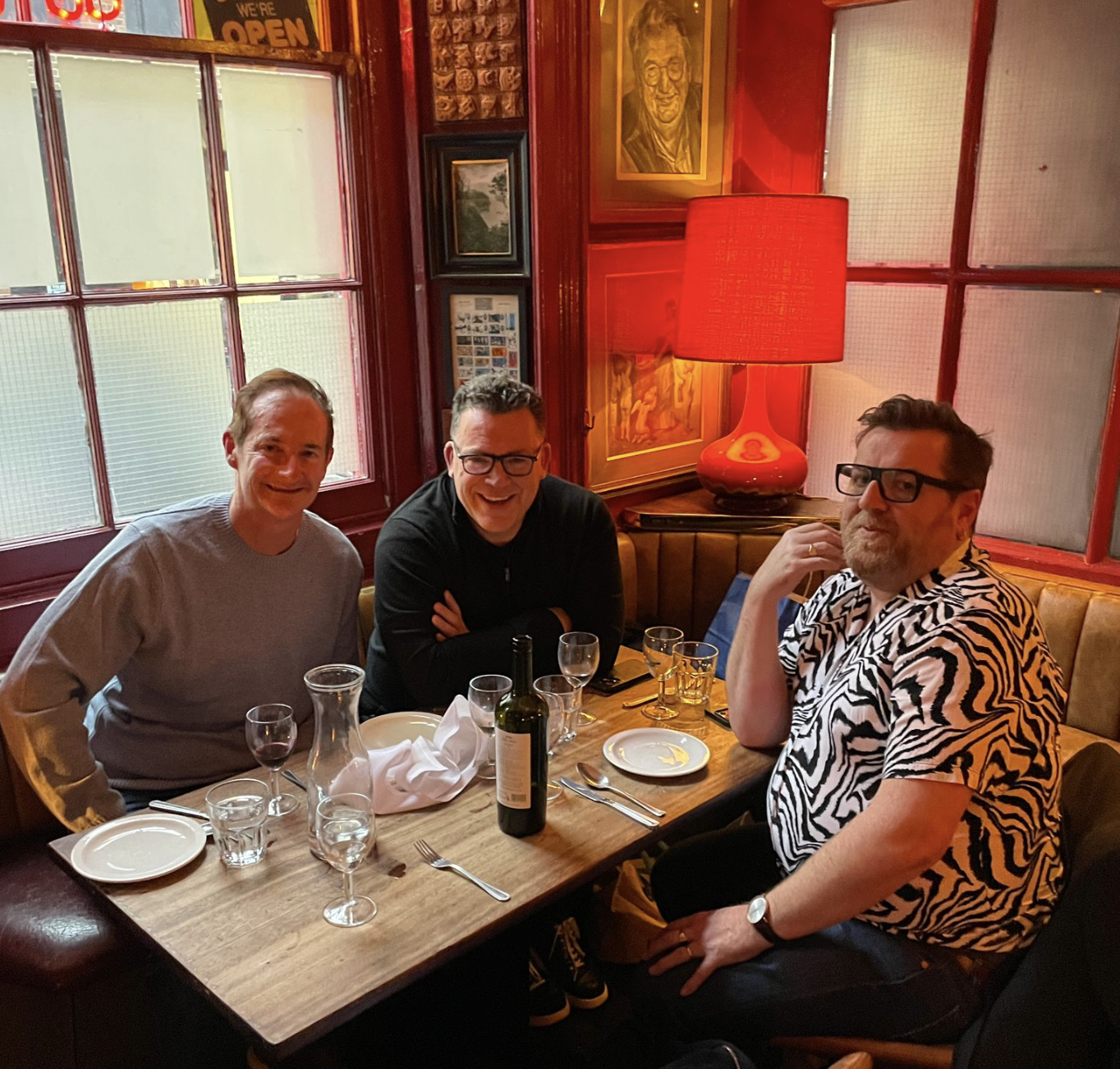
I am just back from a very good lunch with some friends I met in 1987. There was no deep discussion of who we were then, and how we got here; the convivial conversation was shaped by humour, good food and great wine. But on the 38 bus, I scribbled some notes about then and now and what we might learn from the past.
A strange paradox
We’re witnessing one of the strangest paradoxes in modern human history. If we glance up briefly from our phones and screens, it’s there in plain sight. On the surface, an interminable descent into an age of disconnection: marriage rates falling, civic participation decreasing, socialisation, nightlife and procreation diminishing, and more of our lives being spent apart and intermediated by screens. The data on social bonds show clear trends of dislocation across family, relationships, employment, community, and country. The Economist warns that ‘a great relationship recession is underway’. Robert D Putnam described in Bowling Alone how membership in local associations, unions and faith groups has eroded over three decades, taking with it what he calls “social capital” — the invisible networks of trust that make societies work. More recently, the Financial Times has linked this erosion of social capital to everything from stalled growth to an epidemic of loneliness. I could mention social media, a mental health crisis among the young, and a general sense of disengagement with work, but it didn’t use to feel like this, and there is a growing longing for precisely what we seem to be losing.
Nostalgia for the past
My formative years were in the 1980s and 1990s, the back end of a century when we had never had it so good. Today, Gen Z’s fascination with these halcyon years, particularly the 1980s, is often framed as nostalgia for a time they never lived through, but it’s more likely a longing for the social texture of those eras. The 1980s appear, from their vantage point, as a period of analogue freedom: no screens, lighters, not phones, held aloft, deeper friendships formed in person, teenage cults and local clubs, fashion tribes, bands and songs, and great gatherings shaping a cultural landscape that felt shared rather than algorithmically customised.
In place of today’s hyper-mediated digital lives, the ’80s offer the fantasy of unfiltered connection, of being present, unreachable, and embedded in a tight social world that wasn’t constantly broadcasting, competing, or performing. For a generation raised in a frenetic attention economy, saturated with personalised feeds and rising loneliness, the past looks less like retro chic and more like a symbol of something they instinctively lack: simplicity, spontaneity, and genuine togetherness. Yes, back then, there were pointless wars, civil unrest, strikes, mines, and industry catastrophically culled, but through the HD lens of today, the grainy footage somehow looks like life on another planet, not another decade.
So, what can we learn from what was lost?
Well, if we look beneath dislocation trends and gloomy statistics, you’ll uncover something unexpected: a growing longing for precisely what we seem to be losing. People - and not just Gen Zs - still crave connection and a sense of belonging. They want to feel engaged and coherent, not alone and aimless. If our churches, politicians and institutions are floundering, maybe for business leaders and enlightened organisations: this is the perfect moment to build something better.
More to follow.