A job so good it still hurts
I once had a job so good it still hurts to think about it. Not because it made me wealthy. It certainly didn’t. Not because it was glamorous. It wasn’t.
It hurts because, more than thirty years later, I still haven’t quite found another role that combined so much freedom, responsibility, creativity, friendship and sheer fun. (There is another reason even more life-changing, but you need to get to the end for that one.)
Last Thursday, I spent the evening with around forty people who understood exactly what I meant.
Jonathan Duffin and Stephen Writer-Maguire had organised a reunion of former National and Regional Campaign Leaders from an organisation called SIS. Looking around the room, we were obviously “a little bit older”, but we each wore the same slightly nostalgic smile. We weren’t simply catching up with old colleagues. We were reconnecting with a formative period in our lives.
For many of us, it had been the best job we’d ever had.
My own journey began while I was Union Sabbatical Officer at the University of Hull. I became involved with SIS almost by accident and, in what remains one of life’s great mysteries, was appointed National Campaign Leader of the SIS. I was meant to do the role in tandem with another campaigner, but she declined the role, and I was left to flounder and then thrive alone.
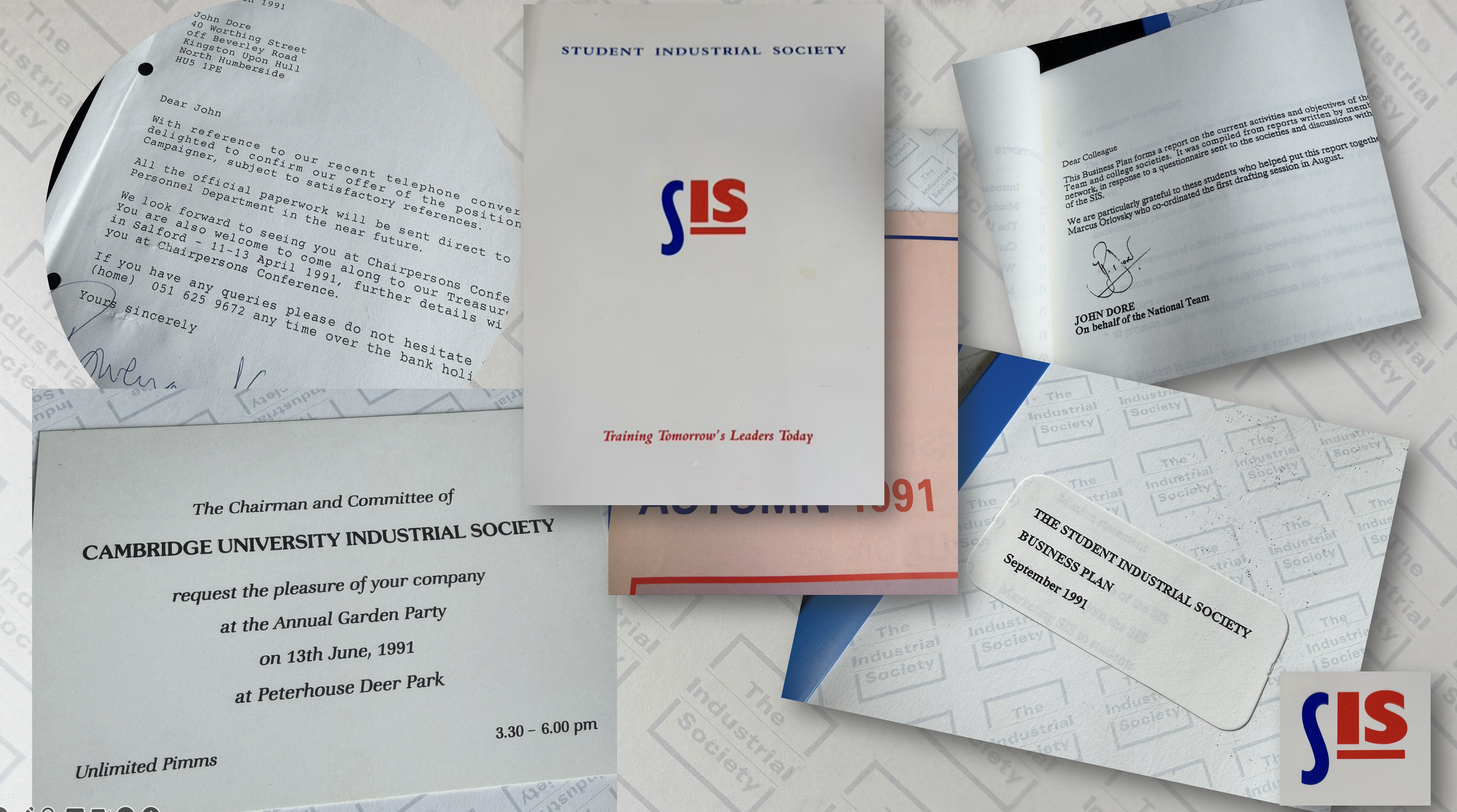
From July 1991 until July 1992, I was based in Birmingham, working from Calthorpe Road with a word processor, a list of client contacts, and a book of stamps. The role existed for just one year. That was deliberate. You inherited something special, tried to leave it better than you found it, and then handed it on to the next pair of campaigners.
Every day felt like an experiment.
No idea was too ambitious. No challenge was too intimidating. Campaigners were trusted to build partnerships, run national campaigns, organise conferences, recruit volunteers, work with major employers and, occasionally, make spectacular mistakes from which we learned even more
SIS – the Student Industrial Society – was the student arm of The Industrial Society. Long before employability became a university buzzword, it was helping thousands of students develop the capabilities that lectures alone rarely teach: leadership, communication, teamwork, confidence, initiative and judgment.
Supported by organisations such as British Gas, British Steel, Rover, Unilever, the British Army and Midland Bank, SIS became one of the largest student membership organisations in the UK. Thousands of students across dozens of universities took part in its programmes, conferences and campaigns. It lacked the funding advantages and global parent of its on-campus nemesis, AIESEC, but it consistently punched above its weight.
What made it different wasn’t simply the training.
It was the trust.
Young people were given genuine responsibility. We weren’t running simulations. We were leading real organisations, managing real budgets, building real partnerships and creating events and experiences that genuinely mattered to other students.
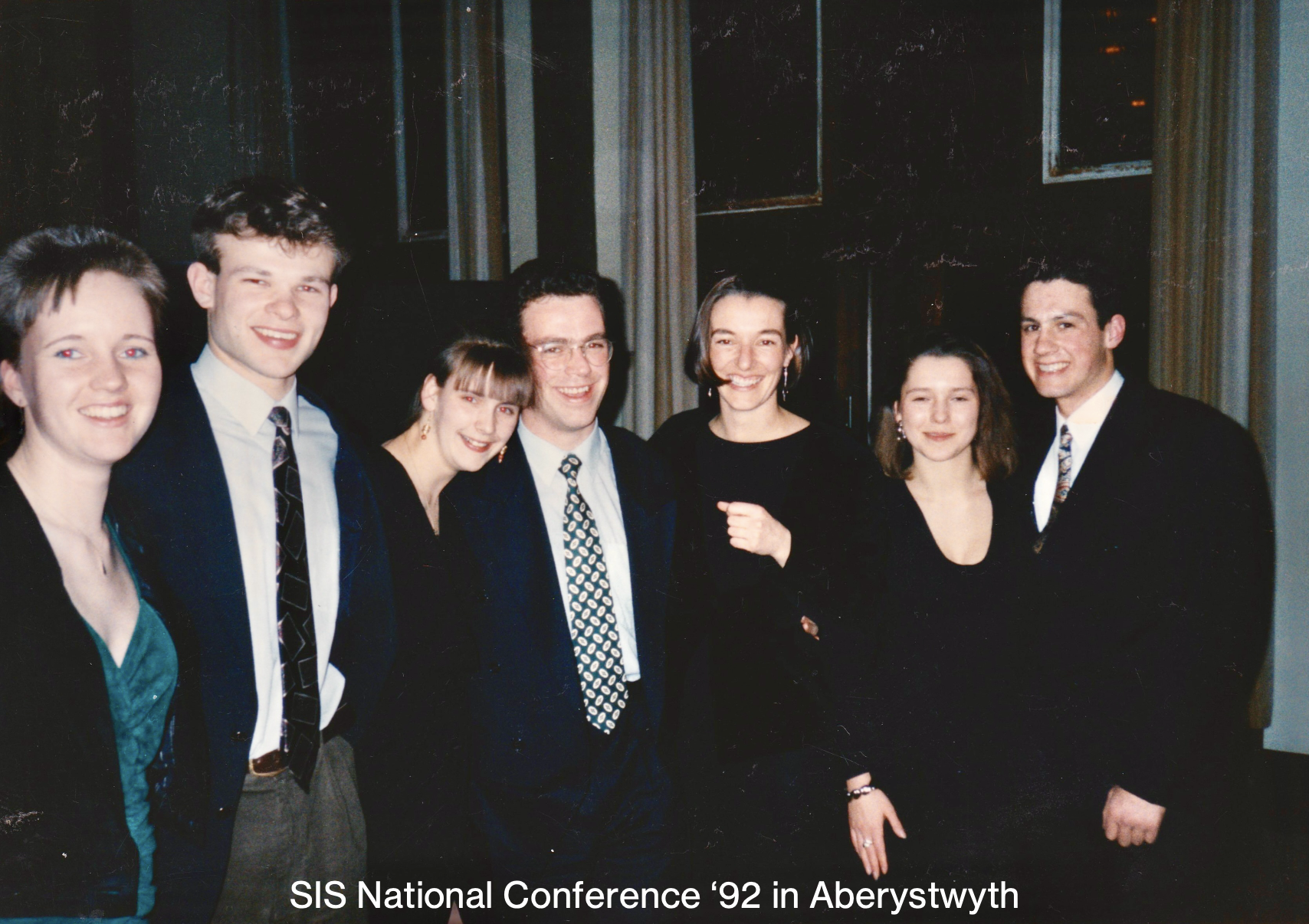
One of the highlights each year was the national conference. During my year, we held it in Aberystwyth. It wasn’t the easiest place in Britain to reach, but perhaps that only added to the sense that something memorable was about to happen.
For four days, about 60 students, guided by a group of Team Advisors from corporate sponsors, debated ideas, challenged one another, built friendships and discovered abilities they didn’t know they possessed. Looking back, it was there that I first learned to design experiences people would remember long after the event.
Years later, while visiting San Francisco, I unexpectedly bumped into Robert Hamilton, who had built his career from Manchester Uni, through stand-up comedy, to tech leadership and coaching in California. He insisted on buying me lunch, and we reminisced about Aberystwyth. He told me how much that conference had influenced him. It struck me that student conferences don’t usually stay with people for twenty-five years.
Eventually, the world moved on. The Industrial Society became part of The Work Foundation, and SIS itself evolved into a more commercially based forum called Bright Futures before finally disappearing.
But looking around that reunion last week, I realised something important. The organisation may have disappeared, but its influence certainly hadn’t. The room was full of entrepreneurs, business leaders, educators, consultants, innovators and public servants. Different careers. Different industries. Different lives.
Yet there was a striking similarity in how people approached leadership.
Almost everyone had learned the same lesson early.
Leadership isn’t about having authority. It’s about creating momentum. Jonathan called it the ‘Why Not?’ approach. Seize the idea. Give it a go.
It’s about seeing possibility, persuading people to join you, building trust, taking responsibility and helping others achieve things they didn’t believe were possible. That feels even more relevant today than it did in 1991. Those capabilities are difficult to teach in a lecture theatre. They are learned by doing.
That’s what SIS gave thousands of students: the chance to lead before entering the world of work. Looking back, it was an extraordinary advantage, though one I fear too few graduates have today.
More than three decades later, I’m still grateful for the confidence it gave me, the friendships it created and the career it quietly launched.
Some jobs sit on your CV. A very few stay with you for life.
Mine did for one final reason.
In the very last week of my year as National Campaign Leader, I was speaking at the Association of Graduate Recruiters conference awards. Among the delegates, I met someone working for one of the sponsoring organisations. We got talking. Thirty-four years later, we’re still talking. My role with SIS didn’t just shape my career.
It introduced me to my wife.
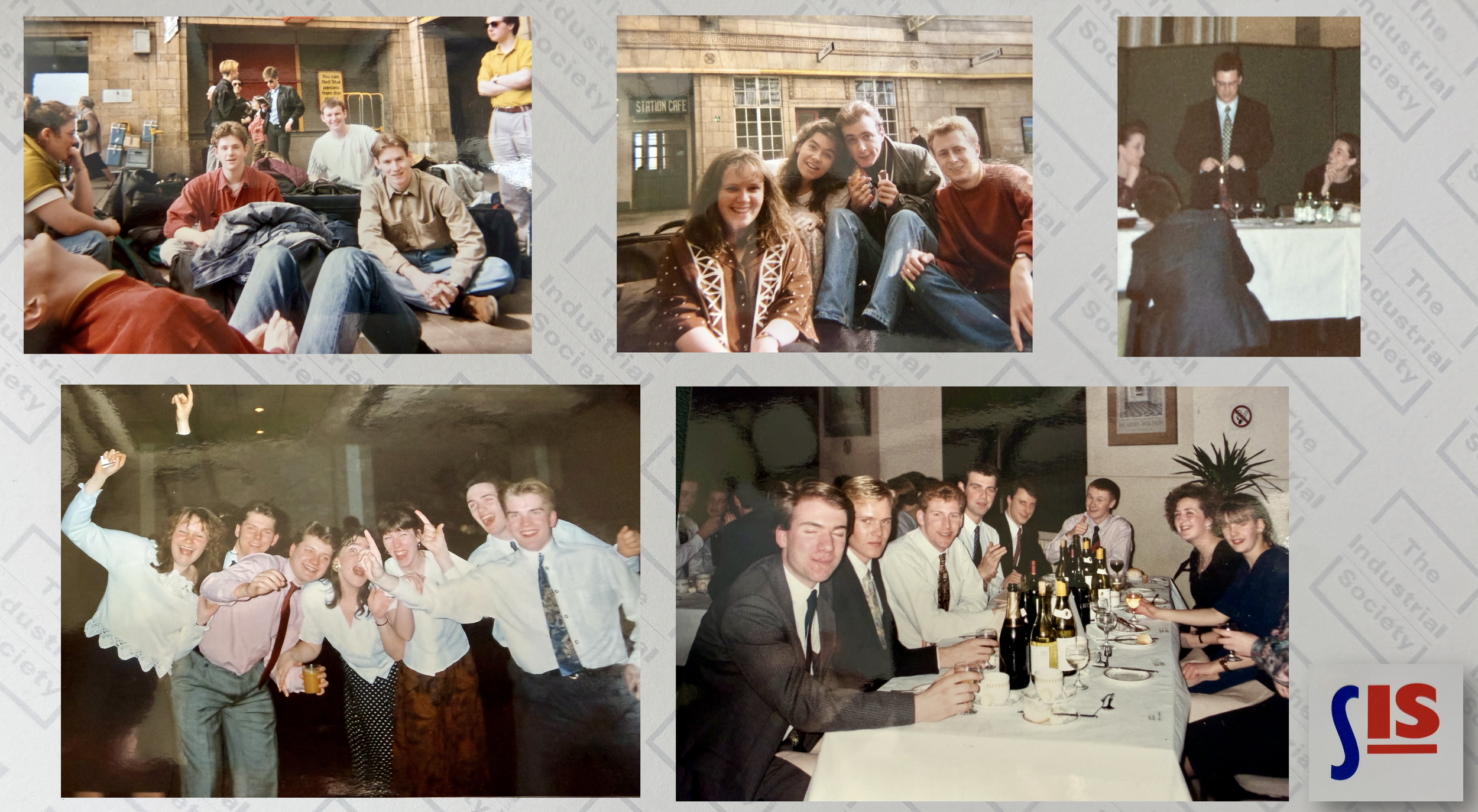
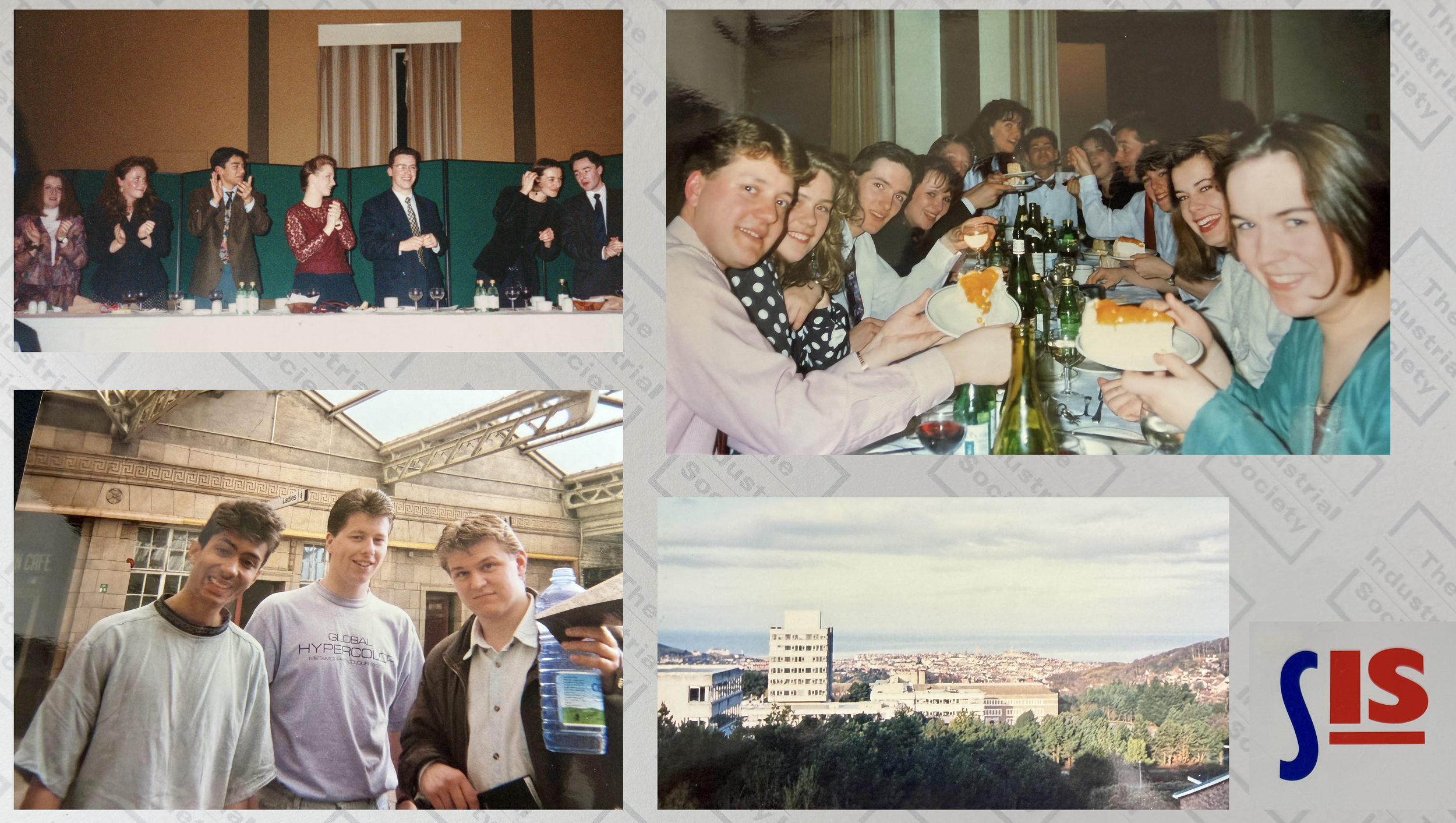
Photos from Chat ‘92 in Aberystwyth, the National Conference for the SIS. Many thanks to Katherine Duckworth for the photos.