
Eating out matters
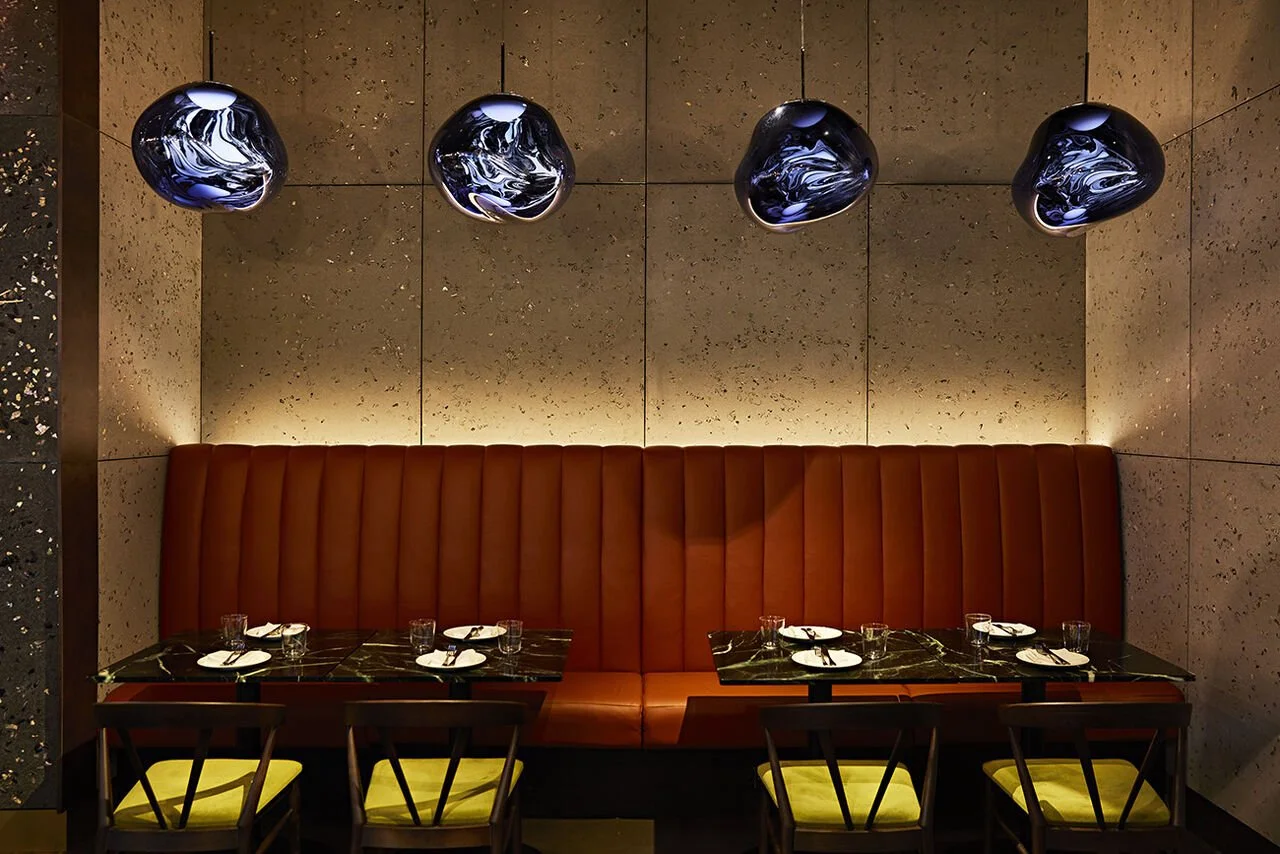
Last week I managed to get a table at a popular restaurant in London. We ate on the terrace and paid a small fortune to be amidst the noise and hubbub.
Alas, eating out now is expensive, rarely done and feels somewhat old-fashioned. It's easier to order food at home. Invite friends over. Eat more cheaply. But many of us still crave eating amongst strangers.
Over the past twenty years, modern life has become a quiet exercise in removing friction. We eliminated queues, waiting, awkwardness, and unnecessary interaction. We built delivery apps, so we no longer need shops. Streaming, so we no longer need cinemas. Remote work, so we no longer need offices. Self-checkout, so we no longer need cashiers.
But in removing friction, we may also have removed something we didn't notice we were losing — the small, unremarkable interactions that made us feel part of something larger than ourselves.
The barista who recognises you. The stranger overheard in a café. The conversation that drifts in before a meeting properly begins. The vague comfort of sitting among people in a busy room. Not deep friendship. Just the quiet reassurance of not being alone. What sociologists call "ambient belonging".
Now, AI is accelerating the trend. Assistants handling tasks. Agents managing workflows. Companions simulating conversation. Human interaction isn't absent. It's simply becoming optional. But that poses a bigger issue.
Organisations are not merely systems for productivity. They are social environments as places where people find identity, confidence, meaning, a sense of belonging. And for all the noise about AI, we are badly underestimating something older and more fundamental: #socialcapital. The trust, relationships, and cohesion that form when human beings spend time together, even imperfectly, even inefficiently.
Loneliness and social withdrawal are rising sharply across the developed world. In Japan, the phenomenon of hikikomori (an epidemic of self-imposed isolation) has become so widespread that it has its own cultural vocabulary. The pattern is everywhere: fewer close friendships, declining civic participation, falling birth rates, lives lived more privately, more remotely, more algorithmically than any generation before.
Where you work may be one of the last places where people regularly feel a sense of belonging. Shared endeavour. Human connection beyond their immediate family. Not because work is sacred. But because that experience is disappearing almost everywhere else.
Which means the decisions leaders make about work - the culture, presence, and the design of workspaces are no longer just operational. They are shaping whether organisations become transactional systems, or places where people still feel seen, connected, and socially alive.
In an artificial world, social capital may be the last remaining source of genuine human advantage. Not just organisational advantage. Human advantage.